


Composting
See All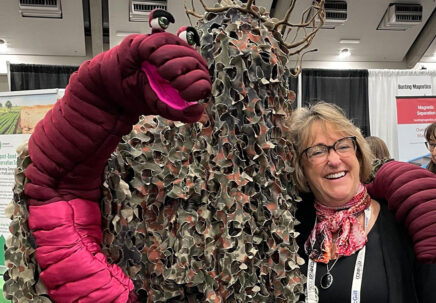
Climate, Composting, Soil Health
Diane Hazard’s Impact on Compost Research & Education Foundation
Executive Director Diane Hazard is retiring after leading the Compost Research & Education Foundation to a point of growth and potential.




Food Waste
See All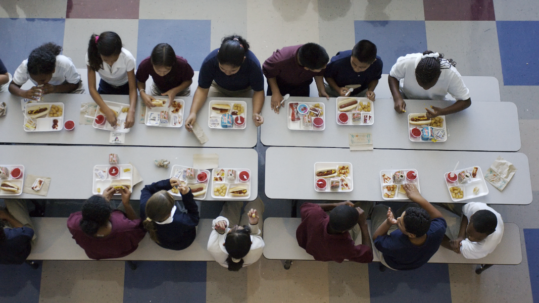
Food Waste, Policies + Regulations
Why Reducing Food Waste in Schools Is Harder Than It Looks
U.S. schools waste over 500,000 tons of food annually. Experts examine the financial, operational, and policy barriers to reducing K-12 food waste.

AD & Biogas
See All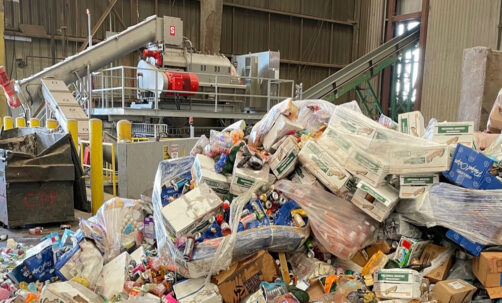
AD & Biogas, Contamination, Food Waste, Preprocessing
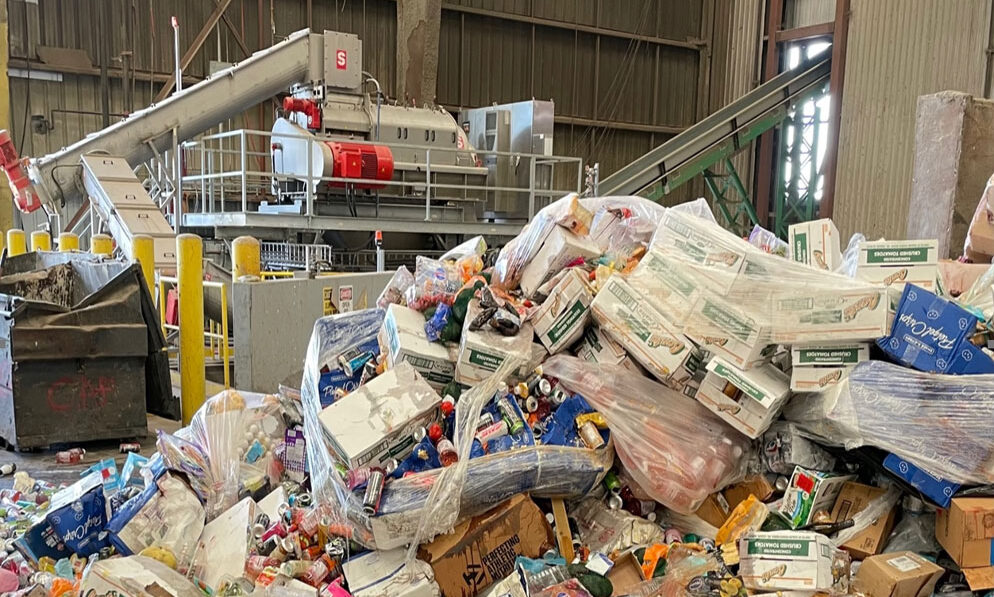
Food Depackaging Equipment for the Growing Organics Processor
Explore food packaging depackaging equipment for organics processors, including feed systems, shaftless screws, rotating drum screens, and ways to improve throughput and slurry quality.


Markets
See All
Food Waste, Policies + Regulations
Palm Beach County Opens New Pathway for Food Scraps to Become Animal Feed
Fertile Earth receives Palm Beach County authorization to recover commercial food scraps for animal feed, connecting local businesses with farms.

Climate
See All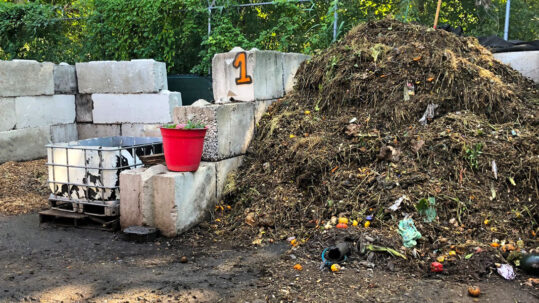
Composting, Food Waste, Policies + Regulations
New Toolkit Maps Local Policy Levers for Food Waste and Composting
Harvard's new food waste policy toolkit outlines eight ways local governments can expand organics collection, composting infrastructure and compost markets.

Policies + Regulations
See All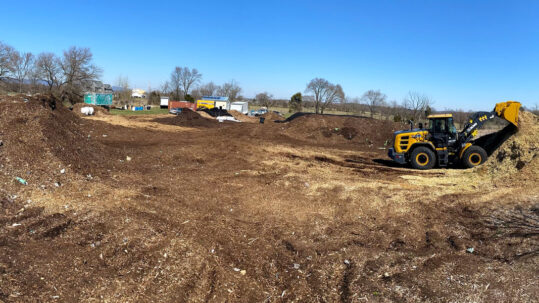
General
Virginia Opens Door To Local Organics Diversion Requirements
Virginia's SB 226 allows local governments to require food waste diversion, creating new opportunities for composters and organics recyclers.